

Why Some Malls Thrive While Others Fade
What Happened to Sunrise Mall in Citrus Heights and Why the Galleria in Roseville Still Works
For many of us who grew up around Fair Oaks, Citrus Heights, and Orangevale, the mall wasn’t just a building; it was the place. It was where you met friends after school, wandered through stores even when you were broke, and spent hours just soaking up the energy over a shared tray of fries or an Orange Julius.
But eventually, the atmosphere shifted. Across America, vibrant community spaces began to go quiet as stores shut their gates and corridors were forgotten. In the Sacramento region, we’re left asking a specific version of that national question: What happened to Sunrise Mall in Citrus Heights, and why does the Roseville Galleria continue to draw such massive crowds? The answer lies in how our shopping habits and community needs have evolved over the last two decades.
The Rise and Fall of the Traditional Anchor
In the ‘80s and ‘90s, malls were designed around “anchors,” the massive department stores like Macy’s, Sears, and JCPenney that acted as the gravity for the entire property. At the time, it worked perfectly. These were household names we relied on for everything from school clothes to the tires we put on our cars.
However, retail has changed dramatically, and department stores have lost their cultural pull. I’ll admit my own feelings toward these anchors probably started in childhood; my mom ordered most of our clothes from their catalogs, and the lack of say in what arrived in those boxes might have permanently soured me on the brand. Whether it was the lack of control or just styles that never felt as “trendy” as the smaller boutiques, many shoppers eventually stopped visiting altogether. When those anchors weakened, the rest of the mall struggled to stay afloat.
The Experience Problem
The most glaring difference between a struggling mall and a thriving one is the “experience.” If you look at the Galleria in Roseville, it offers far more than just a place to buy a shirt. It’s a destination with high-end restaurants, a lively food court, and coffee spots that encourage people to linger. You can go there for dinner, meet friends for dessert, and easily turn a quick trip into an entire afternoon.
Sunrise Mall never quite captured that social spark. The food options were limited, and without a strong variety of gathering spaces, it became a destination for quick errands rather than a place to socialize. In today’s world, people want a place where they can stay a while.
The Gen Z Plot Twist
Interestingly, the mall’s savior might be the very generation we expected to abandon it. While many assume malls are a relic of the past, Gen Z is actually rediscovering them. After growing up with online shopping, younger people are leaning back toward physical retail to avoid shipping delays, package theft, and the guesswork of sizing.
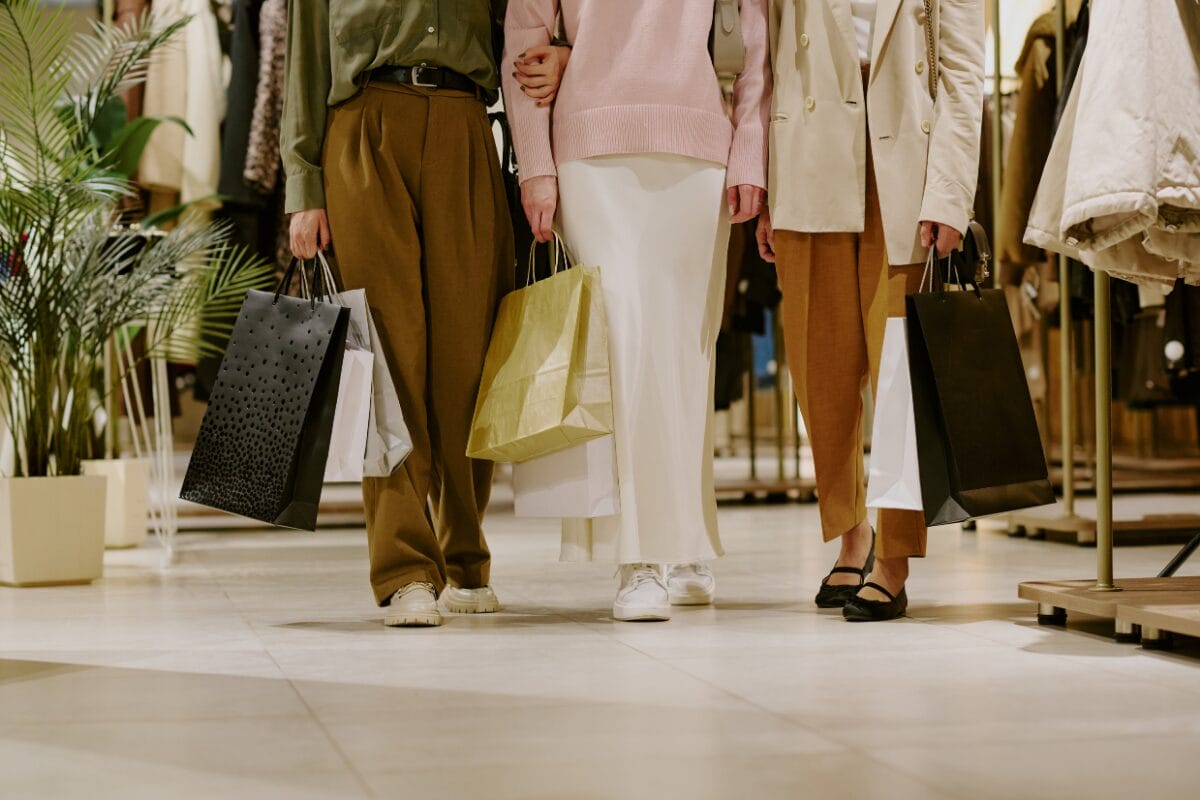
More importantly, they are craving “analog” experiences. After years of screens and pandemic-induced isolation, shopping with friends has become a social outing rather than a mere transaction. They want to walk, browse, laugh, and share food in a space that feels alive.
A New Vision for Sunrise
The irony of Sunrise Mall is that location was never the issue. It sits in the heart of an active region surrounded by Citrus Heights, Fair Oaks, Orangevale, and Rancho Cordova. The population and the traffic are already there; the space just needs to be reinvented for the way we live now.
The malls that survive today are becoming “lifestyle hubs.” They are less about traditional retail and more about community life, blending housing, outdoor shopping streets, green spaces, and offices into walkable districts. Local leaders are already discussing plans to transform the Sunrise site into exactly this kind of mixed-use community—a neighborhood center rather than a closed-off building.
A Legacy Beyond the Building
For many of us, Sunrise Mall is more than just a property; it’s a collection of first jobs, after-school hangouts, and unexpected run-ins with friends near the food court. While the building itself might eventually be replaced by something new, the role it played in our lives doesn’t disappear.
Places change and communities evolve, but the memories of those shared moments remain part of our history. Whether Sunrise Mall becomes a park, a housing district, or a new style of town center, its true legacy is reminding us that a community isn’t defined by the buildings we build, but by the moments we share inside them.


